Browse Exhibits (4 total)
Cone Shells

Cone shells are a large family of marine snails known for their beautifully patterned shells and deadly venom. Cone shells’ international distribution, species diversity, and complex venom makes them the target of ongoing genetic, taxonomic, pharmaceutical, and biological research.
The University of Arkansas Museum's collection of dried cone shells represents the family's geographic and taxonomic diversity, with shells from several genera and subgenera sourced from every continent on Earth (excluding Antartica).
Specific cone shell entries have been incorporated throughout this exhibit. Click on their photographs to learn more about individual specimens.
Classical Rome Interactive Timeline

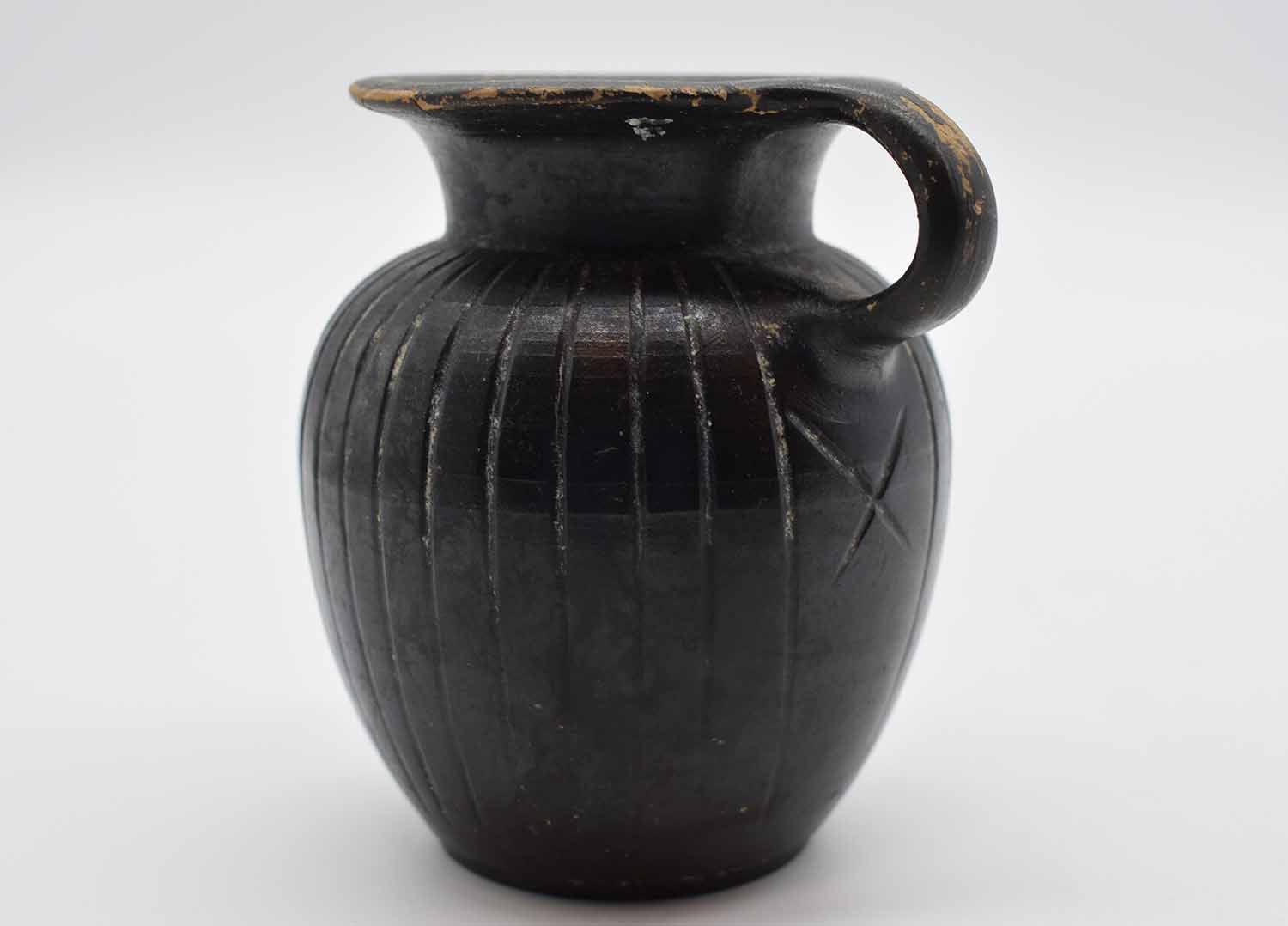
Spanning from the inception of Classical Rome to the age of Justinian, this timeline brings the Museum’s Roman collection to life.
The broader historical context associated with the objects is explored through images and researched content. Featured objects span 1,000 years and vary from belt buckles to coins.
The earliest object featured is an Etruscan Bucchero cup dating to the 6th century BCE. The well-known ware is known for its black color and polished surface. A pilgrim flask, a souvenir used to carry holy water from shrines across Europe, is the latest object, dating to the 6th century CE.

University of Arkansas Bands

In 2024, the University of Arkansas Band program celebrates its 150th anniversary.
From a "brass band of fourteen pieces organized for special use" in the Military Department of Arkansas Industrial University in 1874 to five concert bands, a 350-member Razorback Marching Band, and a 140-member Hogwild Pep Band today, the program has grown and thrived over the years, embodying the spirit of the University. Learn more about its history here.
To celebrate the program's history, the Museum is highlighting band materials from the collections. Click "Band Materials" in the sidebar to view them.
COMING SOON! Entries will be open for the public to share their own artifacts related to the Band's history!
Art History 1003

Explore artifacts studied by students in Spring 2024 Art History 1003, a general introduction to the visual arts.